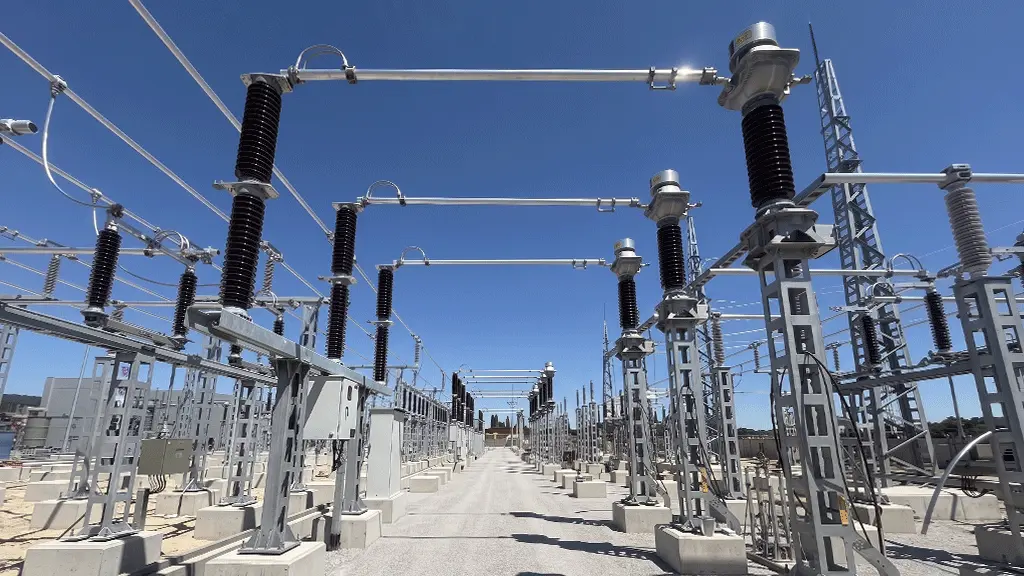
Electricity must be produced, transmitted and consumed at virtually the same time. While in the past both production and consumption were relatively predictable, today it is different. Decentralized renewable sources, battery storage and new types of large consumers are being added to the system. Cross-border electricity flows are also changing. The infrastructure that is supposed to keep this system stable must therefore cope with conditions that were not expected when it was built decades ago.
In the article you will read:
- why the balance between electricity production and consumption is important,
- which threatens the stability of the transmission system,
- how Slovakia is preparing for increasing electricity supply demands,
- which is a condition for the smooth implementation of the construction of new energy infrastructure.
For the stability of the electricity system, it is important to have enough electricity, but also to distribute it at the right time to the right place, while maintaining safe operating parameters of the system.
That is why the modernization of power stations, distribution centers, transformers and very high and extra high voltage lines is becoming increasingly important today. The projects in which the companies of the PPA CONTROLL group participate are not just a replacement of older technologies for new ones. They are part of the gradual preparation of the power system for a completely different way of producing and consuming electricity.
The system must handle changes from both sides
The change comes from both producers and consumers. Electricity production from photovoltaic power plants depends on current conditions, and its growing share brings a different nature of production to the system than it was historically built for. On the consumption side, new energy-intensive operations are emerging.
"There are many changes taking place in the system that are inevitable, but they significantly alter the nature of both production sources and consumption. One factor is the growth of decentralized photovoltaic power plants connected to distribution systems and the need for rapid flexibility, which battery storage, for example, can help provide," explains Peter Mekel, executive director of LiV ELEKTRA, sro, a member of the PPA CONTROLL group.
Another challenge will be data centers. It is not just about the amount of electricity they need. The nature of their consumption, its high load factor and dynamic changes in power in the order of megawatts are also important for the electricity system. These place additional demands on the system's regulatory mechanisms.
Electromobility According to Mekel, this is not the biggest risk yet. However, this could change with the development of electrification of freight transport. Powerful charging hubs for trucks can create significant peak demand concentrated in specific locations.
To the new demands must be added an old problem - investment debt and the need to renew technologies that have been in use for decades.
Electricity does not respect borders
Moreover, the Slovak transmission system cannot be considered in isolation. It is part of the interconnected European network and is influenced by conditions in the surrounding countries. Circular and unplanned flows from the northwestern part of Europe, the development of the interconnection with Ukraine and the rapid development of photovoltaics in Hungary are important. This can change the nature of the electricity flow on the Slovak-Hungarian profile during the day.
For planning new energy hubs, a scenario that may seem paradoxical at first glance is therefore important: production and consumption in Slovakia are balanced, but at the same time a high transit flow of electricity passes through the country.
"The new node in Slovakia also needs to be assessed in a scenario where the domestic production and consumption balance is balanced, but the transit flow through Slovakia is at its maximum. This is the situation that can be decisive for both voltage and thermal calculations," P. Mekel brings it closer.
Therefore, strengthening the lines alone may not solve everything. Coordinated measures by transmission system operators, flow management and, depending on specific conditions, technologies such as phase shifting transformers (PSTs) come into play. These allow influencing the active power flows between individual parts of the interconnected network.
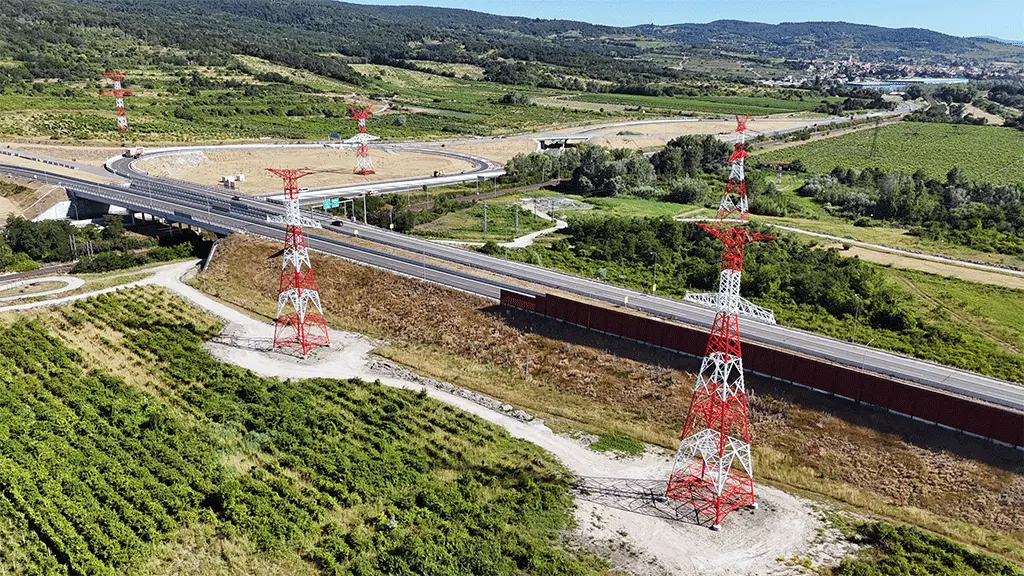
Bratislava needs another strong
An example of what modernizing energy infrastructure means in practice is a large-scale project in Vajnory, Bratislava. In one location, infrastructure is being built for both the Slovak Electricity Transmission System and the West Slovak Distribution System.
Its importance must be seen in the context of the development of Bratislava and its surroundings. New residential areas, administrative projects, industrial operations and further electrification are gradually increasing the demands on the network. The energy infrastructure must be ready before the lack of capacity becomes a barrier to further development of the region.
"The implementation of this set of structures will bring a third stabilization node of the electricity system not only for Bratislava, but for the entire region. It means higher transformation performance, stabilization of the system and significantly better flexibility of operation and maintenance. However, we are not just talking about technical improvement. It is also a question of safety," says Mekel.
The new node creates another possibility for the transformation of electrical energy between the transmission and distribution levels. Greater robustness and flexibility of the infrastructure are important not only for growing demand, but also for planned shutdowns, maintenance or extraordinary operating conditions.
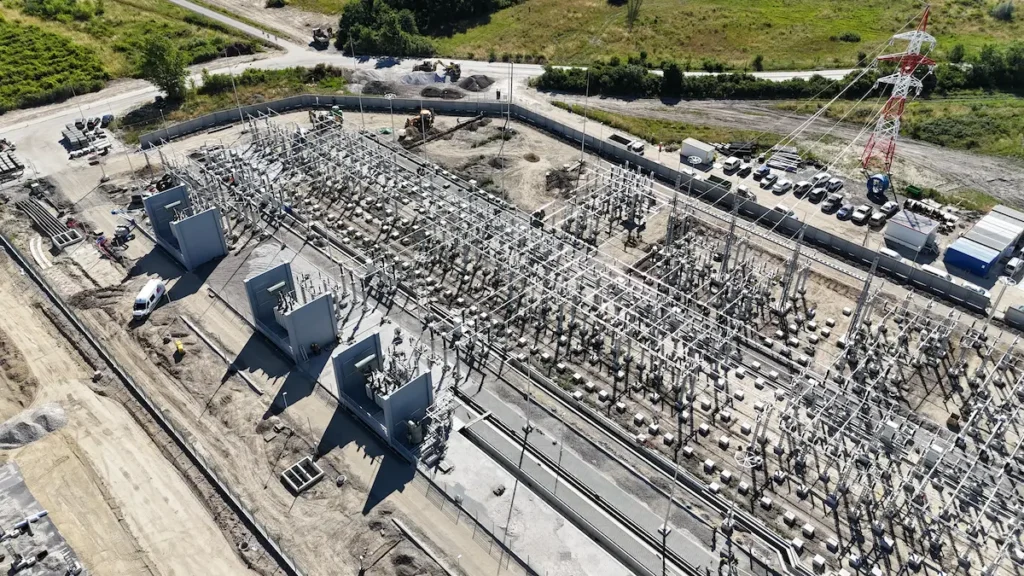
400 and 110 kV in one place
Technically, this is a project where two levels of energy infrastructure and two operators meet. On the transmission system side, it is a voltage level of 400 kV, on the regional distribution side, it is 110 kV.
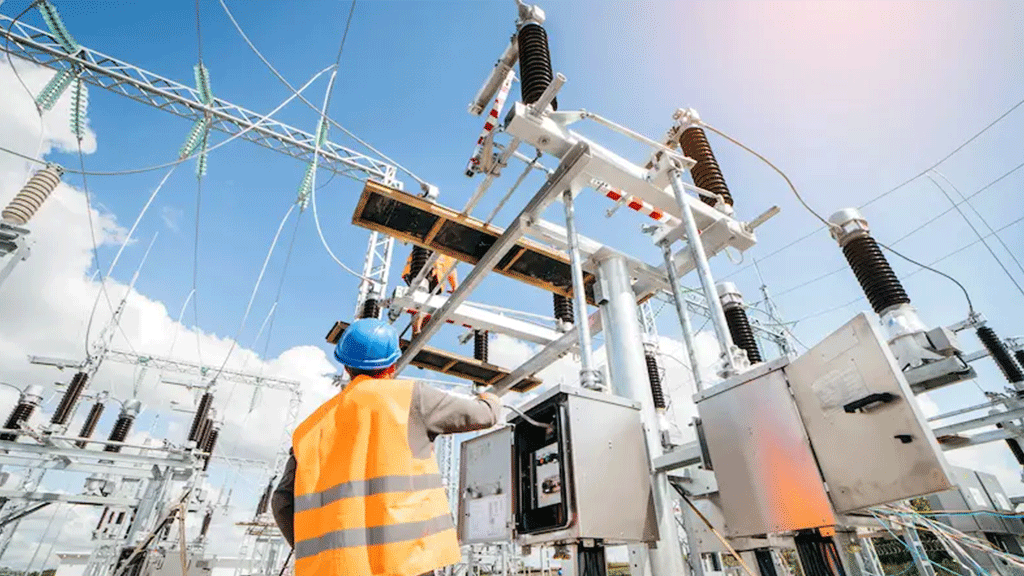
The switchgear is conceptually designed as AIS – Air Insulated Switchgear, i.e. outdoor air insulated switchgear. This solution requires more space than gas insulated GIS switchgear, but has its operational advantages.
"With AIS, if an element needs to be replaced, a shorter reaction time is possible, maintenance and diagnostics are easier. GIS brings significant space savings, but on the other hand it means a higher initial investment," explains P. Mekel.
The choice of technology is also influenced by the changing European regulation of fluorinated greenhouse gases used as insulating or extinguishing media in electrical equipment. For manufacturers, this means a transition to new technologies and alternative media. The transformation of the production program is subsequently reflected in the availability of equipment, prices and delivery times.
This is an important consideration for critical infrastructure projects. A power plant cannot be built from components available “off the shelf.” Procurement of key equipment is planned well in advance, and the failure of a single link in the supply chain can affect the schedule of the entire project.
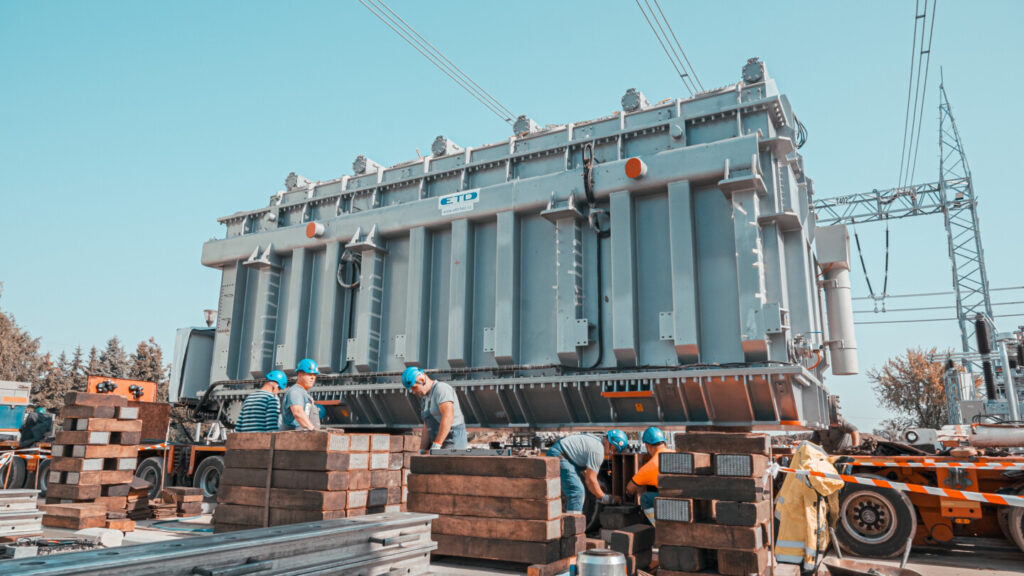
The need for coordination
In a project where the SEPS transmission system and the Západoslovenská distribučná distribution system meet at one point, it might seem that the biggest challenge must be the technical solution. However, Peter Mekel identifies something else as the decisive factor.
"The biggest challenge lies in three words: communicate, communicate, communicate. Not to underestimate the project life cycle and to act as partners at all levels," he says.
Technical complications will not disappear, the project must cope with short implementation deadlines, geologically challenging territory, climatic influences, and the lack of certain technological supplies and production capacities on the European market.
However, the difference between a manageable complication and a problem threatening the deadline is often made by the quality of coordination between the investor, designers, technology suppliers, construction and assembly teams.

The importance of the supplier does not end with assembly
The complexity of similar projects also shows why models are being promoted in the energy sector in which one strong partner takes a large part of the responsibility for the result.
The Vajnory project is not a pure EPC project. Project preparation and engineering activities began in a coordinated manner with two investors several years before the actual implementation. With critical infrastructure, it is also important that the investor maintains technical and legislative control through authorized engineers and design offices.
However, according to Mekel, the subsequent implementation of a large part of the work on a turnkey basis brings financial, implementation and warranty benefits to the investor and reduces the demands on his internal coordination.
"Professionally coordinating preparation, purchasing, storage, construction and technological units up to the commissioning of the work and approval while complying with safety and environmental measures is a separate know-how. The investor can then focus more on controlling the quantitative and qualitative parameters of the work," Peter Mekel explains.
The ability to take responsibility for the entire implementation chain is becoming an important competitive advantage. LiV ELEKTRA, which has been part of the PPA CONTROLL group since 2021, specializes in the construction, reconstruction, modernization, repair and maintenance of electrical equipment for power plants, distribution and transformer stations without voltage level restrictions.
Stability is built in advance
Investments in transmission and distribution infrastructure will become increasingly important as the energy transformation progresses. The electricity system must cope with more decentralized and variable generation, new types of large-scale demand, cross-border flows and climate risks. At the same time, it is expected to do the same thing as before – to ensure that electricity is available whenever we need it.
Energy hubs cannot therefore be planned solely based on today's consumption. They are designed for decades and must create a reserve for scenarios that are only gradually becoming a reality.
"High-quality and professional cooperation and mutual trust between the investor and the supplier bring development and stability to both parties. This is true in peaceful times, but even more so in crisis situations, which we can observe today not only in the energy sector," concludes P. Mekel.
We create the future of technology together
Over the past 75 years, we have been part of many projects that have advanced energy, industry, and transportation infrastructure. See a selection of our projects at home and abroad.
See our references